Clapham SW4 Carpet Cleaning Guide for Victorian Flats
Posted on 20/06/2026
Victorian flats in Clapham have a charm all their own: sash windows, original floorboards, deep skirting boards, and carpets that have seen a few seasons of muddy shoes, city dust, and the odd spilled cup of tea. If you live in one, rent one out, or manage one, you already know carpet care is a bit more nuanced than a quick vacuum on a Sunday morning. This Clapham SW4 Carpet Cleaning Guide for Victorian Flats is here to make that easier. It explains what matters, what to avoid, and how to get carpets cleaned properly without upsetting older fibres, delicate underlay, or the layout of a period property.
To be fair, Victorian flats can be lovely but they are not forgiving. They often have draughts, heavier footfall in narrow hallways, and carpets that may have been fitted over older subfloors. That means the right approach matters. Below, you'll find a practical guide that balances local know-how with sensible cleaning advice, so you can keep your flat looking cared for rather than just "done".
Expert summary: In Victorian flats, carpet cleaning works best when it is tailored to the age of the building, the type of carpet, and the drying conditions in the property. Fast, low-effort cleaning sounds appealing, but careful preparation and proper drying usually make the biggest difference.
Why Clapham SW4 Carpet Cleaning Guide for Victorian Flats Matters
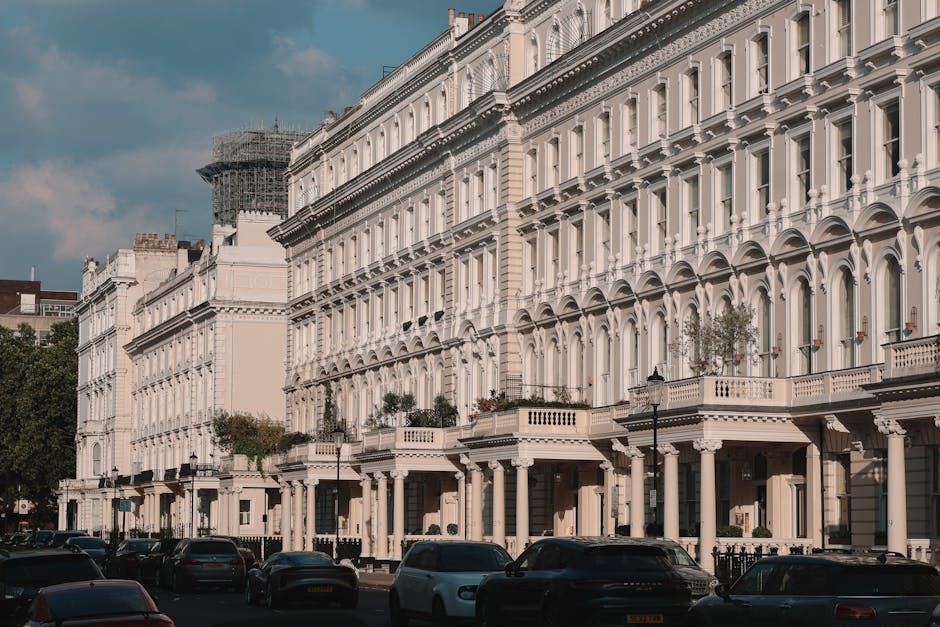
Victorian flats in Clapham SW4 tend to have a mix of character and quirks. You may be dealing with long hallways, bay-window rooms, original mouldings, and carpets that absorb everyday life a bit more than you'd expect. The structure of older homes can also affect airflow and drying time. So when people ask, "Can't I just clean it like any other flat?" the honest answer is: not quite.
Carpets in period homes often collect more than visible dirt. Fine dust settles into fibres. Street grit gets brought in from boot soles and prams. Pet hair works its way down into the pile. And in older properties, damp patches or chilly corners can make poorly dried carpet smell musty, even when it looks clean. That's one reason a proper carpet cleaning routine matters more in Victorian flats than in newer builds.
There is also the appearance side of it. In a character property, a tired carpet can drag the whole room down. Fresh, well-cleaned carpet makes the space feel brighter, lighter, and better kept. If you are preparing to rent, sell, or simply want to enjoy the flat, that difference is not small. It changes how the room feels the minute you step in.
If your flat is part of a wider maintenance plan, it can also make sense to pair carpet care with house cleaning in Clapham SW4 or even periodic domestic cleaning support. In older flats, keeping dust under control is half the battle, and half the battle is still a battle, unfortunately.
How Clapham SW4 Carpet Cleaning Guide for Victorian Flats Works
The basic principle is simple: remove loose soil first, treat stains carefully, clean the fibres with the right method, and dry the carpet thoroughly. The actual execution is where the detail matters. Victorian flats often have carpets of varying age, underlay conditions, and fibre types, so the process should be adapted rather than rushed.
Most professional carpet cleaning starts with an inspection. That means checking the carpet material, pile condition, stain type, and any signs of wear, fraying, colour instability, or previous cleaning residue. In a Victorian flat, you may also want to note areas near fireplaces, entrances, and stairs, as these often show the heaviest traffic. Truth be told, those are usually the places that tell the story of the whole property.
Cleaning methods vary. Hot water extraction is common for many modern synthetic carpets, but some older or more delicate carpets may benefit from lower-moisture techniques or targeted stain work. The best method depends on the carpet, not just on the calendar. That's why a quick one-size-fits-all approach can be a poor fit for period homes.
Drying matters just as much as washing. In a flat with thick walls, closed windows, and limited airflow, carpets can stay damp longer than people expect. That can lead to a lingering smell or a flattened finish. Opening windows, using airflow wisely, and avoiding heavy foot traffic until fully dry all help. If you are also dealing with fabric furniture, it can be sensible to look at upholstery cleaning in Clapham SW4 at the same time, since soft furnishings tend to collect the same dust and spill marks.
Key Benefits and Practical Advantages
Good carpet cleaning in a Victorian flat is not just about aesthetics. It supports comfort, hygiene, and the long-term condition of your flooring. And yes, it can save money over time if done properly. Here are the main benefits.
- Better indoor feel: Clean carpet reduces the stale, dusty sensation that older flats can develop.
- Improved appearance: A refreshed carpet makes rooms look brighter and more spacious.
- Odour control: Dirt, pet smells, and damp-related odours are easier to tackle when fibres are properly cleaned.
- Longer carpet life: Removing grit and embedded soil helps reduce fibre wear.
- Better rental presentation: Useful for move-ins, inspections, or end-of-tenancy checks.
- More comfortable living: Especially if you are barefoot a lot, which in London, let's face it, happens more than people admit.
For landlords and tenants, carpet condition can also affect how a flat is perceived at handover. If your move-out involves more than just one carpeted room, it may be worth combining services with end of tenancy cleaning in Clapham SW4. That can simplify the process and keep standards consistent across the property.
There is another practical advantage that gets overlooked: confidence. When carpets are clean, it becomes easier to keep on top of the rest of the flat. You notice dust less. You feel less behind. Oddly enough, that matters.
Who This Is For and When It Makes Sense
This guide is especially useful for people living in or managing Victorian flats in Clapham SW4, but the actual audience is broader than that. If your home has original features, older carpet fitting, limited ventilation, or a mix of old and new decor, the same principles apply.
You may benefit from a proper carpet cleaning plan if you are:
- a homeowner wanting to preserve the character of a period flat;
- a tenant trying to stay on top of cleanliness without damaging carpets;
- a landlord preparing a property for new occupants;
- an estate agent staging a flat for viewings;
- a busy household with pets, children, or constant foot traffic;
- someone who notices recurring stains, musty smells, or flattened carpet pile.
It also makes sense seasonally. Winter and early spring can be awkward in older buildings because windows are kept shut and carpets dry more slowly. After wet weather, hallway and entrance carpets often take the hardest hit. Summer is often easier, though a hot day with poor airflow can still leave a room feeling stuffy, so timing still matters.
If you are comparing broader cleaning support, it may help to explore house cleaning or domestic cleaning alongside carpet work, especially where dust settles fast in older properties.
Step-by-Step Guidance
Here is a practical approach that works well for most Victorian flats in Clapham SW4. It is not flashy. It just does the job properly.
- Start with a careful inspection. Look for stain types, wear lines, and any loose seams or damaged edges. Note whether the carpet is wool, synthetic, or a blend if you can.
- Vacuum thoroughly. Use slow passes, especially along edges and in hallways. A quick zip-round vacuum usually misses the heavier dirt trapped near skirting boards.
- Pre-treat visible stains. Choose a method suitable for the stain and fibre. Blot, don't rub. Rubbing just spreads trouble around.
- Test a small hidden area first. This is especially important in older carpets where dye or texture may react differently.
- Choose the right cleaning method. Lower-moisture or carefully controlled extraction is often better for period flats with slower drying conditions.
- Work room by room. Hallways, bedrooms, and living rooms may all need different attention levels.
- Prioritise drying. Open windows where safe, increase airflow, and avoid putting furniture back too soon.
- Finish with a final check. Look for any missed marks, reappearing stains, or areas that feel damp to the touch.
If you are getting the property ready for guests or a social event, it can also help to clean the surrounding soft furnishings. Sometimes a room feels "unclean" not because of the carpet alone, but because curtains, sofas, and rugs are all carrying a little too much of everyday life. A little bit of everything, you know.
Expert Tips for Better Results
There are a few small things that make a surprisingly big difference in Victorian flats. These are the kinds of details people often skip, then wonder why the result feels only half-finished.
- Vacuum before you deep clean, not after: It sounds obvious, but loose grit can scratch fibres during wet cleaning if it is left behind.
- Be cautious with wool carpets: Wool can look luxurious, but it can also react to over-wetting and harsh chemicals. Gentle treatment is safer.
- Handle stair runners carefully: Many Victorian flats have awkward stair angles or narrow treads, so slipping and over-saturating can happen fast.
- Use towels at pinch points: Doorways, hallway turns, and the base of the front door often stay damp longer.
- Clean high-traffic areas more often: Entrance halls and living-room walkways usually need more attention than guest rooms.
- Don't rush furniture back in: Furniture can leave marks or transfer dye if carpet is still damp.
Another useful habit: keep a small stain kit somewhere easy to reach. A clean cloth, mild spot cleaner, and a little patience can save a lot of grief after a spill. Especially with coffee. Coffee seems to know when you are tired.
And if your flat has vintage upholstery or a sofa that has seen better days, pairing carpet care with upholstery cleaning in Clapham SW4 can make the whole room feel fresher, not just one surface.
Common Mistakes to Avoid
Most carpet cleaning problems in period flats are not dramatic. They're usually the result of small mistakes repeated over time. Easy enough to avoid once you know what to look for.
- Using too much water: Older properties often dry more slowly, so excess moisture can create smells or re-soiling.
- Scrubbing stains aggressively: That can damage pile, spread the stain, or leave a patchy finish.
- Skipping the test patch: Risky in any home, but especially in flats with older or previously treated carpet.
- Ignoring underlay and subfloor condition: If the floor beneath has moisture issues, cleaning alone won't solve the underlying problem.
- Blocking airflow after cleaning: A closed-up room may look tidy but still smell damp by evening.
- Cleaning only the visible centre of the room: Edges and corners are often where dirt builds up most.
One of the easiest mistakes to make is assuming a stain has vanished just because it looks lighter while wet. Sometimes it dries and comes back, a bit like bad news. Always allow a proper drying window before judging the result.
Tools, Resources and Recommendations
You do not need a mountain of equipment to maintain carpets in a Victorian flat. The right essentials are usually enough. If you want a sensible setup, start here.
- Good vacuum cleaner: Preferably one with strong edge performance and a brush setting suitable for your pile.
- Microfibre cloths: Useful for blotting spills without pushing them deeper.
- Soft brush: Handy for loosening dry soil before vacuuming, especially along skirting lines.
- Mild spot treatment: Best used cautiously and according to fabric type.
- Fan or portable airflow support: Very helpful in flats where windows do not create enough cross-breeze.
- Protective mats or runners: Practical for hallways and entry points where dirt arrives first.
If you are looking for a broader maintenance plan, browsing the Clapham carpet cleaning blog can help you connect carpet care with other household fabrics and cleaning routines. For example, some readers also find the guide on cleaning velvet curtains useful when they want the whole room to feel more polished.
And if you are weighing up whether to book a professional clean or just request an estimate first, requesting a quote is usually the simplest next step. No drama. Just clarity.
Law, Compliance, Standards, or Best Practice
For most homeowners and renters, carpet cleaning itself is not a highly regulated activity in the way some trades are. Still, best practice matters. In shared buildings and rented homes, it is sensible to think about safety, property care, and any tenancy obligations before using strong products or water-heavy methods.
If you are a tenant, check your tenancy agreement for any cleaning expectations at move-out. If you are a landlord or managing agent, aim for a clean that is reasonable, consistent, and safe for the building fabric. In older Victorian flats, that often means avoiding methods that leave carpets too wet or create lingering odours. Common sense, really, but worth saying.
British safety practice also points toward using cleaning products carefully, ventilating rooms, and keeping people and pets away from treated areas until they are dry. If you are dealing with fragile floors, worn stair runners, or historic detailing, a cautious approach is always better than an aggressive one.
Where shared hallways or managed buildings are involved, it is also respectful to keep noise, overspray, and drying equipment under control. Victorian conversions can be tight, and the neighbour downstairs may not appreciate a damp hallway at 8 a.m. Not ideal for anyone.
Options, Methods, or Comparison Table
Different carpet cleaning methods suit different Victorian flats. Here is a simple comparison to help you think it through.
| Method | Best for | Pros | Watch-outs |
|---|---|---|---|
| Vacuuming and spot cleaning | Light maintenance | Quick, low-cost, easy to repeat | Won't remove deep soil or old odours |
| Low-moisture cleaning | Delicate carpets, faster drying | Less dampness, often better for older flats | May not suit every stain type |
| Hot water extraction | Heavily soiled synthetic carpets | Deep clean, strong soil removal | Drying time can be longer in period properties |
| Targeted stain treatment | Localised spill marks | Focused, practical, efficient | Needs care to avoid patchiness |
In practice, many flats end up needing a combination. Hallways may need one treatment, the living room another, and a stubborn stair runner something more careful again. That is normal. The trick is matching the method to the carpet, not the other way round.
Case Study or Real-World Example
A typical Clapham Victorian flat might have a carpeted hallway, a front bedroom, and a living room with a worn path between sofa and window. The homeowner notices that the carpet looks grey in daylight and smells slightly stale after rain. Nothing dramatic. Just enough to be annoying.
In a case like that, the best result often comes from a layered approach. First, a thorough vacuum removes surface grit. Next, visible marks near the entrance get targeted treatment. Then the main carpeted areas are cleaned using a controlled-moisture method suitable for the fibre type. Finally, airflow is improved by opening windows and keeping the flat clear for a few hours.
The change can be subtle at first, then obvious. The hallway feels brighter. The room smells cleaner. The carpet pile stands up better. And because the flat is older, that refreshed finish does more than improve looks; it helps the whole space feel easier to live in. A small win, but a real one.
If the property is being prepared for new occupants, combining carpet work with house cleaning or end of tenancy cleaning can help keep the standard consistent from room to room.
Practical Checklist
Use this checklist before and after carpet cleaning in a Victorian flat. It keeps things simple and avoids the usual last-minute scramble.
- Identify the carpet fibre and any known problem areas.
- Remove loose items, small furniture, and floor clutter.
- Vacuum slowly and carefully, especially along edges.
- Test stain treatment on a hidden area first.
- Use only the amount of moisture the carpet can handle.
- Keep windows open or airflow moving where safe.
- Avoid walking on the carpet until it is properly dry.
- Check for odours, reappearing stains, or damp spots after drying.
- Reposition furniture only when the carpet is fully ready.
- Plan the next clean before the carpet gets heavily soiled again.
If you want to compare practical options or check what works best for your home, you can review carpet cleaning services in Clapham SW4 and see whether a one-off clean or a broader maintenance plan suits your flat better.
Get a free quote today and see how much you can save.
Conclusion
Clapham Victorian flats are full of character, but their carpets need a bit more thought than a modern flat might. The good news is that with the right approach, you can clean them effectively, keep them looking good for longer, and avoid the common drying and wear problems that older properties sometimes create.
If you remember just one thing, make it this: match the cleaning method to the carpet and the building, not just to the stain. That one decision saves a lot of hassle. And in a period flat, where every detail seems to have a personality of its own, that matters more than people think.
Whether you are caring for your own home, getting ready for a move, or simply tired of staring at a hallway that looks a bit grumpy, the right carpet care makes the flat feel more settled again. Quietly better. That's the goal.

From a young age, Blair has cultivated a passion for order, which has now matured into a prosperous profession as a waste removal specialist. She derives satisfaction from transforming disorderly spaces into practical ones, aiding clients in conquering the burden of clutter.


