Best Upholstery Cleaning for Northcote Road Cafes and Bars
Posted on 02/07/2026
Northcote Road has its own rhythm. Morning coffee rush, lunchtime spillages, after-work pints, then the slow reset before the next service. In a place like this, upholstery works hard. Banquettes, bar stools, lounge chairs and fixed seating all take a beating, and the difference between a fresh-looking venue and a tired one is often hiding in the fabric. That is why the best upholstery cleaning for Northcote Road cafes and bars is not just about appearances; it is about customer experience, hygiene, and keeping your furniture looking good for longer.
If you are running a cafe, cocktail bar, pub, or relaxed neighbourhood venue, you already know how quickly crumbs, drink marks, body oils and daily footfall build up. Left alone, they make seats look dull and can leave smells that cling on through the day. This guide walks through what good upholstery cleaning actually involves, how to choose the right method, what to avoid, and how to plan cleaning around a busy service schedule without making life harder than it needs to be.
Expert takeaway: the best results usually come from matching the cleaning method to the fabric, the level of soiling, and the pace of your venue. Fast, generic cleaning is rarely the smart choice.
For broader cleaning support around the area, you may also find the upholstery cleaning service in Clapham SW4 useful, especially if your seating needs a deeper professional treatment rather than a quick surface refresh.
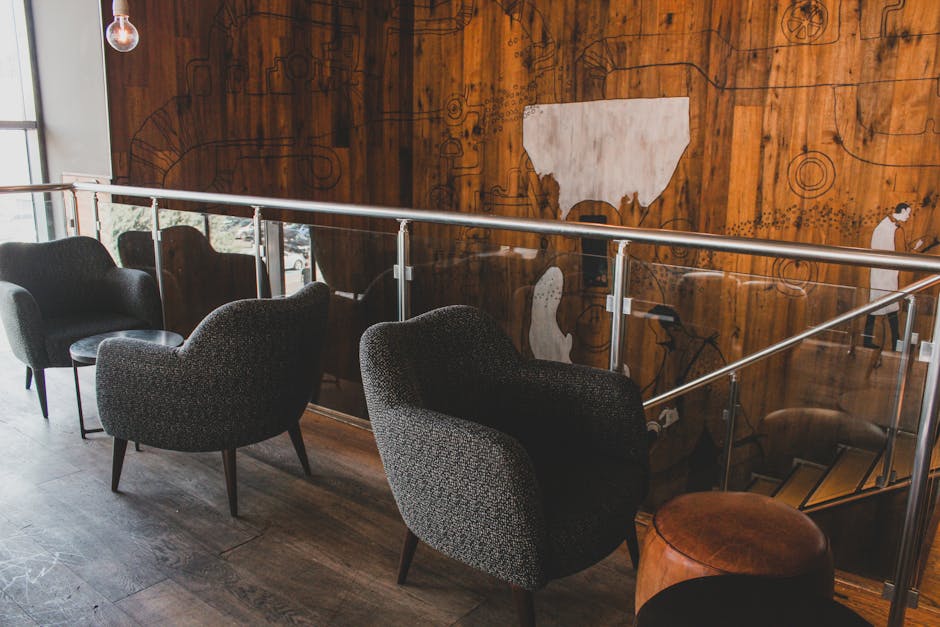
Why Best Upholstery Cleaning for Northcote Road Cafes and Bars Matters
Upholstery is one of the first things customers notice, even if they do not consciously register it. A clean seat feels inviting. A stained one, even slightly, can make a venue feel less cared for. That matters in hospitality, where people are comparing your place with the one next door, and often deciding in seconds.
Northcote Road is busy, varied, and competitive. Cafes see high daytime turnover, while bars deal with richer spills, heavier evening use, and more body oils from longer dwell times. In both cases, upholstery gets exposed to grease, coffee, tea, wine, beer, sauces, makeup, rainwater, and everyday grime brought in from the street. Truth be told, a lot of damage happens gradually. No dramatic accident. Just a steady accumulation that dulls fabric and gives the place that slightly stale feeling.
There is also a practical side. Regular upholstery maintenance can help seats last longer, reduce the need for early reupholstery, and make it easier to maintain a consistent standard across the whole venue. If you have ever walked into a venue at 10 a.m. and noticed a faint sour smell from a banquette that looked clean at first glance, you already understand the problem. It is not always visible. But people notice it.
For businesses planning a bigger refresh, upholstery care often sits alongside professional carpet cleaning in Clapham SW4 because flooring and seating age together. One cleaned without the other can leave the room oddly half-finished.
How Best Upholstery Cleaning for Northcote Road Cafes and Bars Works
The best upholstery cleaning process starts with identifying the fabric and the type of soiling. That sounds simple, but it is the bit people skip, and then they wonder why the chair looks watermarked or feels sticky afterwards. Fabric type matters because leather, velvet, synthetic blends, and natural fibres all react differently to moisture, agitation, and cleaning agents.
A proper commercial upholstery clean usually follows a few stages:
- Inspection and fibre identification - the cleaner checks the material, construction, and condition of the seating.
- Dry soil removal - crumbs, dust, grit and loose debris are removed first. This step helps stop dirt from turning into sludge during wet cleaning.
- Spot assessment - visible marks are tested or treated individually, especially on armrests, head areas and high-contact edges.
- Targeted cleaning method - hot water extraction, low-moisture cleaning, foam cleaning, or specialist treatment is selected depending on the fabric.
- Stain and odour management - food, drink and smell issues are dealt with carefully rather than being masked.
- Drying and finishing - the fabric is left in a condition that supports reopening quickly, with airflow and sensible aftercare.
Low-moisture approaches are often attractive for hospitality because they can reduce downtime. But they are not automatically better. A heavily soiled banquette may need deeper cleaning, and an overly gentle method can simply move dirt around. The right answer is the one that suits your seating, not the one that sounds quickest.
If your venue also needs broader cleaning support during quieter hours, a combined plan with office cleaning services in Clapham SW4 can make scheduling simpler for shared premises, back-of-house areas, and management offices.
Key Benefits and Practical Advantages
Good upholstery cleaning does more than remove stains. It supports the whole feel of the venue. Here are the main benefits in plain English.
- Better first impressions - clean seating immediately makes the room look more cared for.
- Improved comfort - fresh upholstery feels and smells better, which is especially important for bars where guests stay longer.
- Longer furniture life - removing abrasive dirt helps reduce wear on fibres and seams.
- Less visible staining over time - routine cleaning stops marks from becoming permanent shadows.
- More consistent brand presentation - your seating looks aligned with the quality of your food, drinks and service.
- Better hygiene perception - customers may not know exactly what was cleaned, but they notice when a space feels fresh.
There is a quieter advantage too. Staff tend to take more pride in a space that looks looked after. It changes the atmosphere. A clean dining nook, a tidy corner booth, a bar chair without crusty spill marks - little things, yes, but they add up.
Who This Is For and When It Makes Sense
This kind of service is a strong fit for any Northcote Road venue with fabric seating or upholstered surfaces. That includes:
- cafes with banquettes, bench seating, or fabric dining chairs
- wine bars and cocktail bars with lounge furniture
- pubs with upholstered stools or side seating
- restaurants with mixed seating areas
- co-working cafes and hybrid hospitality spaces
- any venue preparing for a refurb, inspection, or seasonal reset
It makes sense to book upholstery cleaning when you notice visible marks, lingering smells, uneven colouring, or a fabric that looks flat and tired even after daily wipe-downs. It also makes sense before busy periods, after a string of private events, or after a patch of wet weather when foot traffic and damp coats leave more residue than usual.
Not every chair needs the same attention. A quiet corner seat may only need maintenance cleaning every so often, while the booth near the window can need much more frequent treatment. The smart move is to think in zones, not just in a single venue-wide schedule.
For operators who host launches, birthdays, or evening gatherings, the article on best places to host a party in Clapham is a useful reminder that presentation and cleanliness are a big part of how guests remember a space.
Step-by-Step Guidance
If you want a clean that genuinely lasts, not just a quick tidy-up, follow a methodical process. It does not need to be complicated.
- Survey the seating area
Look at the worst-hit pieces first. Check for spills, odours, darkening around armrests, and wear at seams or piping. Make a note of any fragile fabrics or older repairs. - Identify the fabric
Ask whether the upholstery is synthetic, wool blend, cotton, velvet, leather, or something mixed. This changes everything. A method that works on one fabric can cause a proper headache on another. - Test before committing
Any cleaning solution should be tested on a hidden patch where possible. Better to discover a reaction on the back of a banquette than in full view of your lunch crowd. - Vacuum thoroughly
Dry soil removal is not optional. Grit acts like fine sandpaper on fibres. Take time with seams, corners and underneath cushion edges. - Treat spots individually
Coffee, wine and grease need different handling. Blot first, then treat. Never attack a stain like you are scrubbing a saucepan. - Clean with the least aggressive effective method
Use the lightest method that will still get the job done. On some fabrics, that means low-moisture cleaning; on others, a deeper extraction is more suitable. - Manage drying
Airflow matters. Open doors where practical, use fans if appropriate, and avoid putting customers back onto damp fabric too quickly. - Review the result
Look again after drying. Some marks only reveal themselves once the fabric has settled. That is normal. Not ideal, but normal.
If your business wants a broader deep-clean plan rather than a one-off job, you may also want to look at the house cleaning option in Clapham SW4 for more comprehensive support across the property.
Expert Tips for Better Results
Here is where experience saves time and money. Small decisions make a bigger difference than most people expect.
- Clean before stains set in - old marks are harder to lift and more likely to leave a shadow.
- Prioritise high-touch zones - armrests, seat fronts and head-height areas get the worst of it.
- Use fabric-specific care - velvet, for instance, needs more careful handling than plain synthetic seating. If you have delicate textiles elsewhere in the venue, the guide to cleaning velvet curtains and preserving their beauty gives a good sense of why gentle treatment matters.
- Work around service windows - late morning before lunch or after closing tends to be the least disruptive, depending on your trade.
- Keep a simple stain log - if one booth keeps getting the same drink spill, the layout or service routine may need attention.
- Train staff in fast response - immediate blotting with the right technique saves fabric, honestly.
One small but useful habit: photograph upholstery before and after cleaning. Not for marketing, necessarily, but for your own maintenance record. You will spot patterns much faster that way.
And yes, sometimes the answer is simply that a chair is ready for retirement. No shame in that. It happens.

Common Mistakes to Avoid
People often try to save time on upholstery care and end up making the job more expensive later. A few common missteps come up again and again.
- Using too much water - overwetting can cause long drying times, watermarks, and in some cases odour issues.
- Rubbing stains hard - this pushes the mark deeper and can damage the pile or weave.
- Ignoring the fabric label or construction - the upholstery may not tolerate the same treatment as other furniture.
- Cleaning only the visible patch - spot cleaning alone can leave tide marks and patchy colour.
- Leaving drying too late - damp upholstery in a busy venue is awkward at best and unpleasant at worst.
- Choosing based only on speed or price - cheap and quick can be very expensive if the result is poor.
Another mistake is assuming the same method suits the whole venue. A snug banquette near the espresso machine may need completely different treatment from a low-traffic lounge seat. Different fabric, different wear, different answer.
Tools, Resources and Recommendations
You do not need a warehouse of equipment to maintain good results, but the right tools help. For venue teams handling daily maintenance between professional cleans, the following are useful:
- a reliable vacuum with upholstery attachments
- microfibre cloths for immediate spill control
- fabric-safe spot treatment products
- soft brushes for lifting dry debris
- fans or airflow support for drying after a clean
- protective covers for vulnerable seating during refits or events
For businesses looking to coordinate cleaning across different parts of the premises, it can help to combine upholstery care with other services such as domestic cleaning in Clapham SW4 for mixed-use properties or multi-purpose spaces. The cleaner the overall environment, the easier it is to keep upholstery under control.
If you want to compare service options or ask about what is likely to suit your venue, the most practical step is to start with a simple quote request through the quote request page. It saves a lot of back-and-forth.
Law, Compliance, Standards, or Best Practice
For cafes and bars, upholstery cleaning is not usually about a single dramatic legal rule. It is more about sensible operational standards, employer responsibility, and basic hygiene expectations. In the UK, hospitality businesses are expected to keep premises clean and safe for staff and customers, and that includes looking after fabrics that come into regular contact with people.
Best practice usually means:
- choosing cleaning products that are suitable for commercial interiors
- avoiding residues that could make seats sticky or attract more dirt
- keeping drying times under control to reduce slip and comfort risks around the seating area
- using cleaning methods that do not create unnecessary disruption to service
- maintaining a routine rather than waiting for visible damage
There is also a reputational element. In hospitality, cleanliness is part of the customer promise. If the upholstery looks neglected, people tend to assume other things are neglected too, even when they are not. That is a tricky one. Fair or not, it affects trust.
If your venue forms part of a larger commercial property or shared premises, a cleaner schedule can help with consistency across rooms, back areas and customer seating. In some cases, an arrangement like office cleaning in Clapham SW4 can support the housekeeping standard behind the scenes as well.
Options, Methods, or Comparison Table
Choosing the right upholstery cleaning method depends on fabric, soil level, and how quickly you need the seating back in use. Here is a simple comparison.
| Method | Best for | Pros | Watch-outs |
|---|---|---|---|
| Hot water extraction | Heavier soiling, durable fabrics | Deep clean, strong soil removal | Longer drying time if overused |
| Low-moisture cleaning | Busy venues needing faster turnaround | Quicker drying, less disruption | May need more frequent maintenance |
| Foam or encapsulation | Routine maintenance on suitable fabrics | Efficient, tidy, often low disruption | Not ideal for severe staining |
| Specialist fabric treatment | Delicate or unusual upholstery | More controlled, fabric-aware | Requires proper assessment first |
In practice, the best upholstery cleaning for Northcote Road cafes and bars is often a combination of methods across different seat types. One size rarely fits all. Not glamorous, but true.
Case Study or Real-World Example
Here is a realistic example based on the kind of issue hospitality teams regularly face.
A small Northcote Road cafe with mixed banquette seating noticed that the front corner by the window had started to look grey and tired, even though the staff cleaned it daily. The trouble was not obvious in one place. It was an accumulation of coffee mist, food handling near the window tables, and general street dust from constant opening and closing of the door. Customers still sat there, but the area had lost its fresh look.
The venue team first improved their daily response: immediate blotting, more careful vacuuming, and a tighter end-of-day check. Then they arranged a deeper upholstery clean during a quiet midweek window. The result was not magical, just sensible. The fabric looked brighter, the corner smelled cleaner, and staff stopped having to apologise for that one seat that seemed to gather everything. Little win, but a real one.
The main lesson? Routine matters more than panic cleaning. Once a month or once a quarter, depending on use, can be much more effective than waiting until the whole room feels shabby.
That same thinking applies to larger venue refreshes too, especially when upholstery work sits alongside broader property maintenance. If you are reading around the area and planning improvements, the blog on Clapham property as a smart investment gives a useful sense of how presentation affects value and perception over time.
Practical Checklist
Use this quick checklist before booking or carrying out upholstery cleaning.
- Identify the main upholstery materials in the venue
- Note the worst-affected seats and repeat problem areas
- Check whether any fabric is delicate, aged, or already damaged
- Decide whether you need maintenance cleaning or deep cleaning
- Plan the work around trading hours and drying time
- Remove loose debris before any wet cleaning begins
- Spot-test where appropriate
- Make sure the cleaning method suits the fabric
- Allow proper airflow for drying
- Review the result once the upholstery is fully dry
- Set a realistic follow-up schedule
If you are trying to keep standards consistent across a full site, it also helps to align seating care with other routines such as carpet care in Clapham SW4 so the whole room feels coordinated rather than partly refreshed.
Conclusion
For Northcote Road cafes and bars, upholstery cleaning is not a side task. It is part of how the venue looks, feels, and functions. The best approach is thoughtful rather than rushed: identify the fabric, choose the right method, clean before marks set in, and build a maintenance rhythm that matches how busy your business really is.
When upholstery is cared for properly, the whole room feels calmer, cleaner and more inviting. Guests may not say it out loud, but they notice. Staff notice too. And in hospitality, that quiet difference counts for a lot.
Get a free quote today and see how much you can save.
If you are ready to take the next step, you can also contact the team directly to talk through your seating, your schedule, and what kind of clean will make the most sense for your venue.

From a young age, Blair has cultivated a passion for order, which has now matured into a prosperous profession as a waste removal specialist. She derives satisfaction from transforming disorderly spaces into practical ones, aiding clients in conquering the burden of clutter.


